
Onions have been a staple ingredient in cuisines around the world for centuries, known for their pungent flavor and versatile culinary uses. But have you ever wondered about the history of onions? When were they first cultivated, and how did they become such an essential ingredient in many traditional dishes? Join us as we delve into the ancient and flavorful history of onions, from their wild origins to their widespread culinary use.
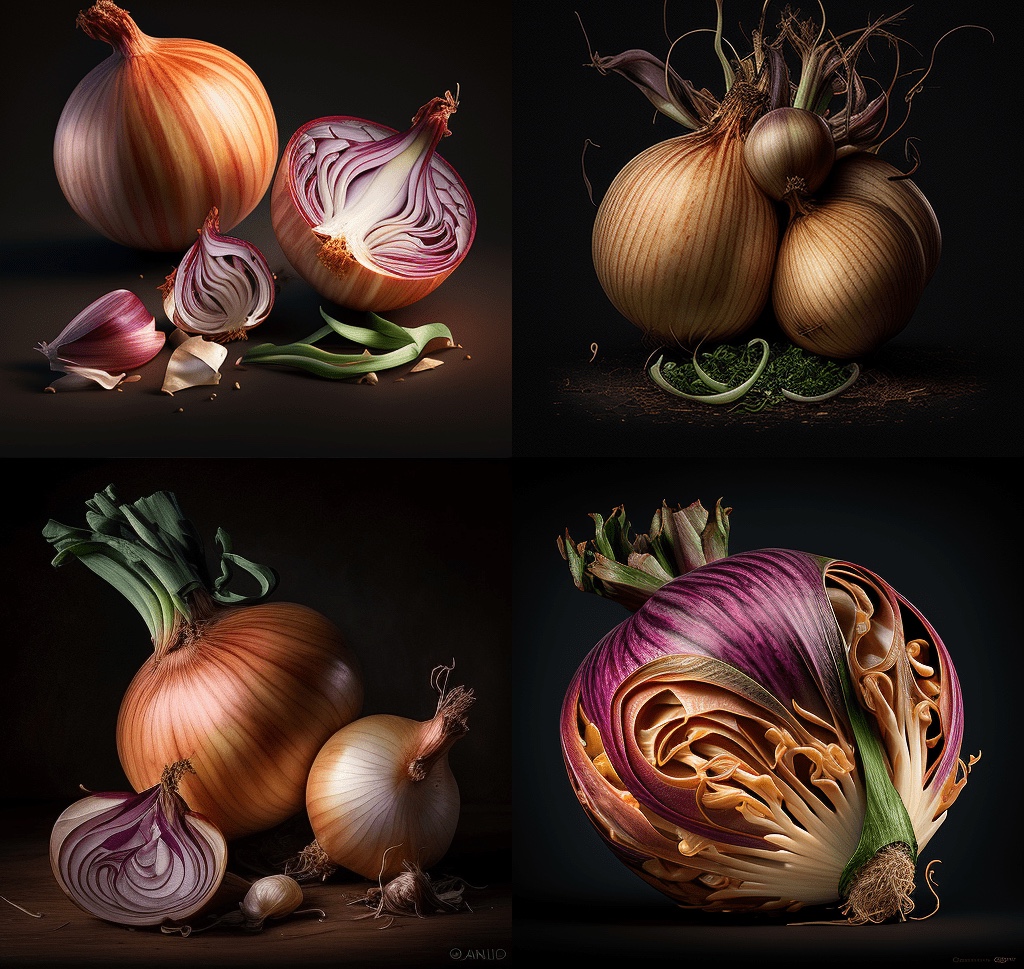
Wild Origins: Onions in the Prehistoric Era Onions have a long and fascinating history that dates back to prehistoric times. Wild onions are believed to have originated in Central Asia and the Middle East, where they grew naturally in the wild. Archaeological evidence suggests that onions were consumed by humans as early as 5000 BCE, making them one of the oldest cultivated vegetables in human history. Wild onions were likely foraged and used as a food source by early humans for their pungent flavor and potential medicinal properties.
Early Cultivation: Onions in Ancient Civilizations The cultivation of onions is believed to have started in ancient civilizations, such as Mesopotamia, Egypt, and India. Onions were highly valued for their culinary and medicinal properties and were used as a staple ingredient in many ancient recipes. The ancient Egyptians, in particular, were known to cultivate and use onions extensively in their cuisine. Onions were also depicted in Egyptian artwork and were believed to have medicinal properties, used as a remedy for various ailments.
Spread and Adaptation: Onions in Different Regions As human civilizations expanded, onions spread to different regions of the world and were adapted to different climates and soils. Onions were introduced to Europe by the Romans, and they quickly became a popular ingredient in Mediterranean cuisine. Onions were also brought to the Americas by European explorers and colonizers, where they were adapted to the New World’s growing conditions. Onions became a staple ingredient in many cuisines in the Americas, from the United States to Latin America, and they were incorporated into various traditional dishes.
Culinary and Medicinal Uses: Onions Throughout History Throughout history, onions have been used not only for their culinary properties but also for their medicinal uses. Onions were believed to have medicinal properties in ancient civilizations and were used to treat various ailments, such as colds, coughs, and digestive issues. Onions were also used topically as poultices for wounds and as a natural remedy for insect bites and stings. In modern times, onions are still used in some traditional medicine practices for their potential health benefits.
Culinary Versatility: Onions in Modern Cuisine Today, onions are an essential ingredient in kitchens around the world, known for their distinctive flavor and versatility. They are used in various culinary applications, from soups, stews, and sauces to salads, stir-fries, and even as a topping on pizzas and burgers. Onions come in different varieties, including red, yellow, and white, each with its unique flavor profile and culinary uses. They are also used in pickling, preserving, and as a flavor enhancer in many processed foods.
The history of onions is a rich and flavorful tale that spans across different regions, civilizations, and time periods. From their wild origins to their widespread cultivation and culinary use in ancient civilizations, to their adaptation to different regions of the world and their versatility in modern cuisine, onions have a long and storied history. Whether used for their distinct flavor, medicinal properties, or culinary versatility, onions have been a cherished ingredient in human culinary traditions for thousands of years, and their legacy continues to thrive in kitchens worldwide today.
 Tasty trandy food
Leave a comment